Holistic Medicine and Conventional Medicine
Pros, Cons, and Benefits of Both Approaches
Melvina Askie
5/8/20244 min read
In today’s health landscape, people often weigh the options between holistic medicine and conventional medicine—also known as hospital-based or technology-driven care. Both holistic medicine benefits and conventional medicine advantages offer unique paths to wellness, and understanding their pros and cons can help you make informed decisions. This article explores both without favoring one over the other, highlighting how they can complement each other for optimal health. Whether you’re searching for “holistic vs conventional medicine pros and cons” or curious about integrating both, read on for a balanced view.


What Is Holistic Medicine?
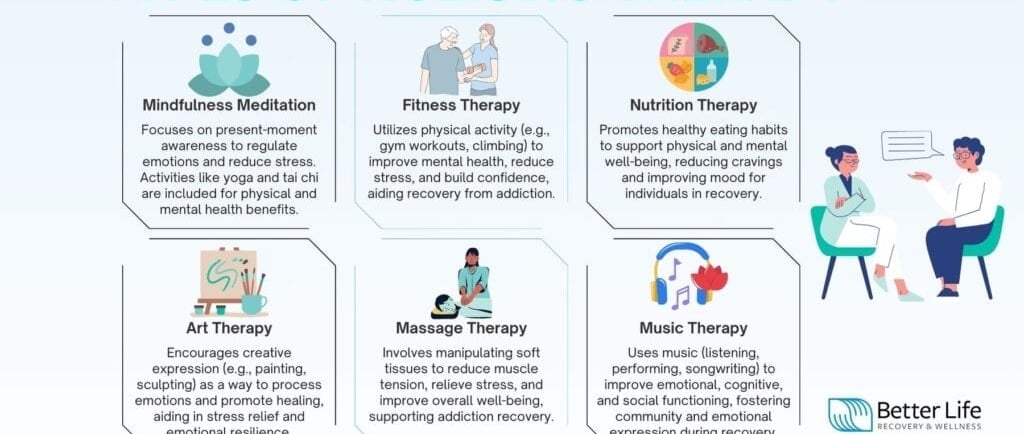
Holistic medicine focuses on treating the whole person—mind, body, and spirit—rather than just symptoms. It emphasizes natural remedies, lifestyle changes, and preventive care. Common practices include acupuncture, herbal therapy, yoga, meditation, and nutrition counseling. The goal is to achieve balance and address root causes of illness through non-invasive methods.
Pros of Holistic Medicine
• Personalized Care: Tailored treatments consider your unique lifestyle, emotions, and environment, leading to more sustainable health improvements.
• Fewer Side Effects: Natural approaches often avoid harsh chemicals, reducing risks associated with pharmaceuticals.
• Preventive Focus: Emphasizes wellness and prevention, potentially lowering long-term healthcare costs.
• Empowerment: Encourages active participation in your health, boosting mental well-being and self-awareness.
Cons of Holistic Medicine
• Limited Technology Advances : Some practices lack rigorous technology advances.
• Regulation Issues: Not all practitioners are equally qualified, requiring careful selection.
• Not Ideal for Emergencies: Less effective for acute conditions like trauma or infections needing immediate action.
What Is Conventional Medicine?
Conventional medicine, often delivered in hospitals with advanced technology, relies on evidence-based practices like surgery, pharmaceuticals, and diagnostic tools such as MRI scans and robotic-assisted procedures. It excels in treating specific diseases through scientific methods and cutting-edge innovations.


Pros of Conventional Medicine
• Rapid and Effective Interventions: Ideal for emergencies, with tools like antibiotics and surgery saving lives quickly.
• Scientific Backing: Backed by extensive research, clinical trials, and regulatory standards for safety and efficacy.
• Advanced Diagnostics: Technologies like imaging and lab tests allow precise identification of issues.
Cons of Conventional Medicine
• Potential Side Effects: Medications and procedures can have risks, including dependencies or complications.
• High Costs: Hospital stays and tech-heavy treatments can be expensive this is dependable.
• Symptom-Focused: May overlook underlying lifestyle factors, leading to recurring issues.
• Impersonal Feel: Busy settings might reduce patient-doctor interaction time.
Pros of Conventional Medicine
• Rapid and Effective Interventions: Ideal for emergencies, with tools like antibiotics and surgery saving lives quickly.
• Scientific Backing: Backed by extensive research, clinical trials, and regulatory standards for safety and efficacy.
• Advanced Diagnostics: Technologies like imaging and lab tests allow precise identification of issues.
Cons of Conventional Medicine
• Potential Side Effects: Medications and procedures can have risks, including dependencies or complications.
• High Costs: Hospital stays and tech-heavy treatments can be expensive this is dependable.
• Symptom-Focused: May overlook underlying lifestyle factors, leading to recurring issues.
• Impersonal Feel: Busy settings might reduce patient-doctor interaction time.
How Holistic and Conventional Medicine Complement Each Other
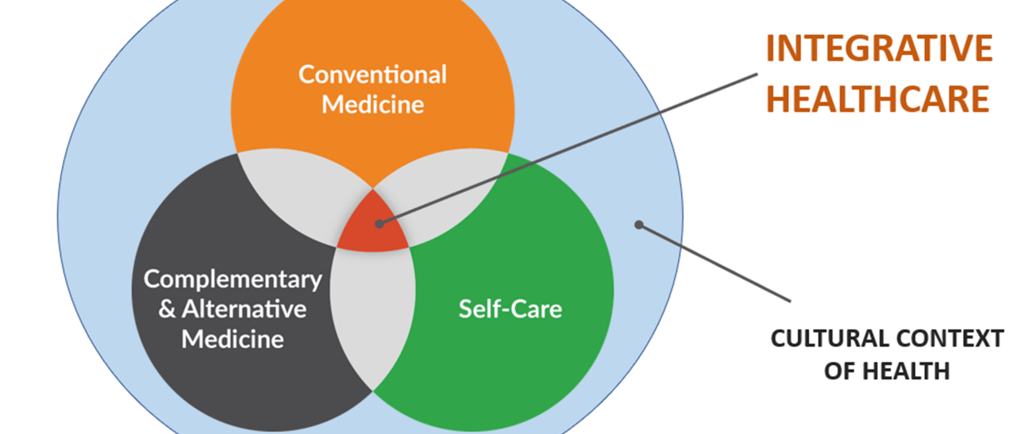
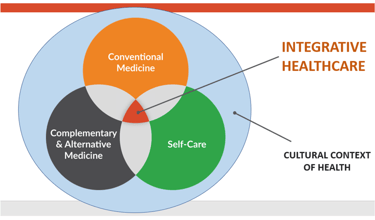
Rather than choosing one over the other, many experts advocate for integrative medicine, combining the strengths of both. For instance, using conventional treatments for acute issues while incorporating holistic methods for recovery and prevention. This balanced approach maximizes benefits: holistic medicine’s emphasis on wellness enhances conventional medicine’s precision, and vice versa. Studies show that integrated care can improve outcomes in areas like chronic pain, cancer support, and mental health.
Interactive Element: Quiz to Find Your Ideal Health Approach
To make this more engaging, try this quick interactive quiz. Answer honestly and tally your score to see which approach aligns with you—or if a blend is best. (In a live website, this could be a clickable form; here, jot down your answers.)
1. Do you prefer natural remedies over pills? (Yes: Holistic +1; No: Conventional +1)
2. For emergencies, would you rush to a hospital? (Yes: Conventional +1; No: Holistic +1)
3. Are you interested in meditation for stress? (Yes: Holistic +1; No: Conventional +1)
4. Do you value quick, tech-based diagnostics? (Yes: Conventional +1; No: Holistic +1)
5. Would you combine yoga with prescribed meds? (Yes: Integrative +2)
Score: Mostly Holistic? Explore natural therapies. Mostly Conventional? Stick with tech-driven care. Balanced? Consider integration for the best of both worlds.
Conclusion: Embracing the Best of Both Worlds
Both holistic medicine and conventional medicine offer valuable pros and cons, contributing to comprehensive health strategies. By understanding holistic medicine benefits like prevention and personalization alongside conventional medicine advantages such as rapid treatment and science-backed methods, you can create a tailored plan. Consult professionals from both fields for personalized advice. Search terms like “integrative medicine near me” or “holistic vs conventional medicine comparison” can guide further exploration. Stay healthy!
Contact
Questions? Reach out anytime.
Join the newsletter
hello@mtrendskeepz.com
© 2025. All rights reserved.