How Supporting Gut Health Can Prevent Disease
In an era where chronic diseases like heart disease, diabetes, and cancer dominate health concerns, emerging research points to a powerful ally within our bodies: the gut microbiome. This complex community of trillions of bacteria, fungi, and other microbes in our digestive system plays a crucial role in digestion, immune function, and even mental health. By nurturing gut health through diet and lifestyle, we can significantly reduce the risk of various diseases. This article explores the science behind gut health, its links to disease prevention, and practical steps to support it.
1/8/20263 min read
### Disclaimer
The information provided in this article is for general informational and educational purposes only. It is not intended to serve as, and should not be construed as, professional medical advice, diagnosis, or treatment.
While the content is based on current scientific research and studies regarding gut health, the microbiome, and their potential links to disease prevention, individual health outcomes can vary greatly due to factors such as genetics, lifestyle, existing medical conditions, and more. No claims are made that the suggestions herein will prevent, cure, or treat any specific disease.
Always consult with a qualified healthcare professional or your doctor before making any changes to your diet, lifestyle, supplements, or health routines—especially if you have pre-existing health conditions, are pregnant, nursing, or taking medications.
The author and publisher of this article are not medical professionals and assume no responsibility for any consequences arising from the use or misuse of the information presented. Readers are encouraged to seek personalized medical guidance for their unique situations.
Understanding Gut Health and the Microbiome
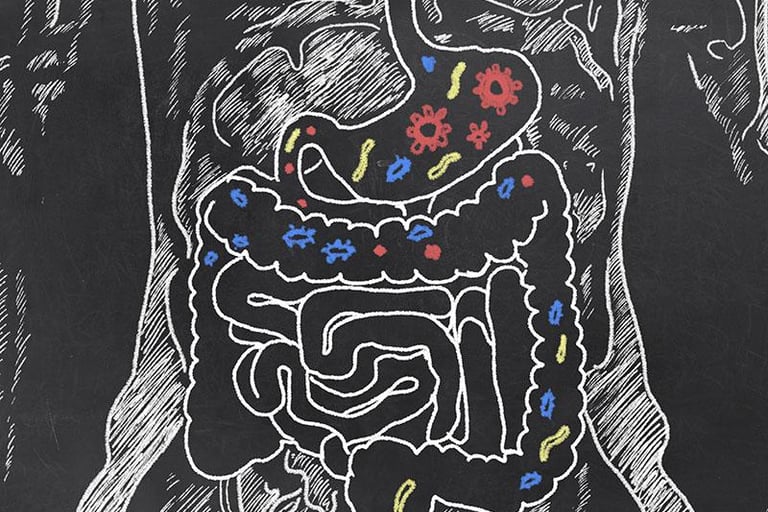
The gut microbiome refers to the diverse ecosystem of microorganisms living in our intestines. These microbes help break down food, produce essential vitamins, and train our immune system to distinguish between harmful pathogens and beneficial substances. A balanced microbiome promotes overall health, while an imbalance—known as dysbiosis—can lead to inflammation, weakened immunity, and increased disease risk.
Research shows that a healthy gut microbiome can improve digestion, regulate weight, and even influence brain function via the gut-brain axis. For instance, it produces short-chain fatty acids (SCFAs) like butyrate, which reduce inflammation and support the intestinal barrier. When this barrier is compromised, harmful substances can leak into the bloodstream, contributing to chronic conditions.
The Link Between Gut Health and Chronic Diseases
Poor gut health has been associated with a range of chronic diseases. Dysbiosis can trigger systemic inflammation, insulin resistance, and metabolic issues. Studies indicate that optimizing the gut microbiome through diet can lower risks for:
Cardiovascular Disease (CVD): A balanced microbiome helps regulate cholesterol and blood pressure. Higher fiber intake, which feeds beneficial bacteria, is linked to reduced CVD risk.
Type 2 Diabetes: Gut microbes influence glucose metabolism. Imbalances may promote insulin resistance.
Obesity: Certain bacteria affect energy extraction from food and appetite regulation.
Cancers: The microbiome impacts inflammation and toxin production; for example, it may protect against colorectal cancer.
Inflammatory and Respiratory Diseases: Gut health supports immune responses, reducing susceptibility to infections and chronic inflammation.
Meta-analyses of over 17 million individuals found that 76% of studies showed significant inverse associations between higher fiber intake (a key gut health supporter) and disease risk, with convincing evidence for reductions in CVD mortality, pancreatic cancer, and diverticular disease. Another large cohort study reported that dietary fiber intake lowered total mortality risk by about 22% when comparing highest to lowest intake groups.
(Always check original sources.)
These reductions highlight how supporting gut health could translate to meaningful health gains. For example, fiber intake has been shown to lower CVD, infectious, and respiratory disease mortality by 24–56% in men and 34–59% in women.
Practical Ways to Support Gut Health
Fortunately, you can enhance gut health with simple, evidence-based strategies focused on diet. Aim for diversity in your microbiome by incorporating fiber-rich foods, probiotics, and prebiotics. Here's how:
1. Boost Fiber Intake
Dietary fiber acts as fuel for beneficial gut bacteria, promoting SCFA production and reducing inflammation. The Institute of Medicine recommends 19–38 grams per day, but most Americans get only about half that. Higher intake is linked to lower risks of heart disease, diabetes, and cancers.
Soluble Fiber: Found in oats, beans, apples, and citrus; helps lower cholesterol.
Insoluble Fiber: In whole grains, nuts, and vegetables; aids digestion and prevents constipation.
Practical Tip: Start your day with oatmeal topped with berries, or add beans to salads. Gradually increase fiber to avoid bloating, and drink plenty of water.
2. Incorporate Probiotics and Prebiotics
Probiotics: Live beneficial bacteria in fermented foods like yogurt, kefir, sauerkraut, and kimchi. They can restore microbiome balance, especially after antibiotics.
Prebiotics: Non-digestible fibers in garlic, onions, bananas, and asparagus that feed good bacteria.
A Mediterranean-style diet, rich in these elements, has been associated with a more diverse microbiome and up to 30–45% reduced CVD risk in high-risk groups. Avoid ultra-processed foods, which disrupt the microbiome and increase disease risk.
Practical Tip: Add yogurt to smoothies or snack on kimchi. If needed, consider supplements, but consult a doctor first.
3. Other Lifestyle Factors
Stay Hydrated: Water supports digestion and microbial balance.
Exercise Regularly: Physical activity promotes microbiome diversity.
Manage Stress and Sleep: Chronic stress and poor sleep can harm gut health; practices like meditation help.
Limit Antibiotics and Processed Foods: Use antibiotics only when necessary, and minimize sugar and saturated fats.
A Gut-Friendly Path to Better Health
Supporting gut health isn't just about digestion—it's a proactive strategy for preventing chronic diseases. By prioritizing fiber, probiotics, and a balanced diet, you can foster a resilient microbiome that reduces inflammation and bolsters immunity. Small changes, like adding more plants to your plate, can yield big results. Remember, while these tips are backed by science, personalized advice from a healthcare provider is essential, especially if you have existing conditions. Start today, and let your gut lead the way to a healthier tomorrow.
Contact
Questions? Reach out anytime.
Join the newsletter
hello@mtrendskeepz.com
© 2025. All rights reserved.